
Stretching after running is a vast subject! We all know it, we’ve all read and heard it, but sometimes we struggle to apply this principle! However, stretching is an integral part of physical preparation and recovery after exertion. Regardless of your level in your discipline and the intensity of your training, it is an essential part of your sports practice. Indeed, incorporating it into your routine helps improve your flexibility and reduce the risk of injury, as well as optimize your performance. Nevertheless, stretching is often misunderstood or neglected, meaning it is quickly rushed through! Also, whether you are gently returning to running or performing in trail without faltering, this article will shed light on the role and benefits of stretching practiced right after your run, and the difference with their application just before putting on your sneakers.
Is there a type of stretching specifically suited for after running?
To answer this question, let’s focus on the two main types of stretching in sports: static stretching and dynamic stretching. Each has its specificities and objectives, so it is important to know when to apply them.
Static stretching
This type of stretching involves holding a position for a certain duration (usually between 15 and 30 seconds) to gently pull on the muscle. It is the most well-known form, designed to increase flexibility by lengthening muscle fibers and tendons. These stretches are most often applied after exertion to promote muscle relaxation and recovery. However, be aware that they do not guarantee 100% that you will avoid soreness after running or even. cramp after physical effort… But you reduce the chances of waking up all stiff the next day!
A concrete example of a typical static stretch for the quadriceps involves holding your foot behind you with your hand, bringing your heel towards your buttock. The muscle is stretched slowly, without jerking. And right after a run, that's what we are interested in.
Dynamic stretching
Unlike static stretches, dynamic stretches involve controlled and repetitive movements that bring the muscles and joints to their full range of motion. But be careful, they are not the most suitable for the post-run context…
You may have noticed that these stretches are often applied during warm-ups: rightly so, as they boost blood circulation and prepare the muscles for exertion. And better blood flow means more oxygen delivered to the muscles, and therefore more energy to cover the kilometers. Dynamic stretches involve generally fluid movements, without ever forcing.
Examples include leg swings, where you swing your leg back and forth or from side to side to stretch your hip and leg muscles.
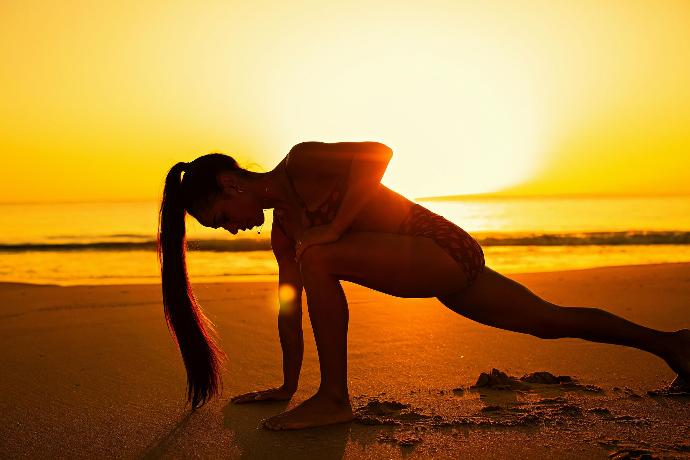
A few examples of stretches to do after your run.
After your run, take 5 to 10 minutes to perform this little stretching ritual. The idea is not to force, but to regain good muscle sensations while breathing calmly. Feel free to do these exercises in front of a mirror to help you adopt the right posture and avoid achieving the opposite effect of what is expected from stretching after running. And if you want to go further, combine this routine with good hydration !
Target area | Goal | How to do it | Recommended duration |
Hamstrings (back of the thighs) | Relax the muscles that are heavily used during the stride. | Sit with your legs extended, back straight, then gently lean forward without forcing. Grab your ankles or the soles of your feet if you can. | 20 to 30 seconds per leg |
Calves | Release the gastrocnemius and soleus, often tight after running. | Facing a wall, place one bent leg in front and the other straight behind. Keep the back heel on the ground and gently push your hips forward. | 20 to 30 seconds per leg |
Glutes | Relax the stabilizing muscles of the pelvis. | Lie on your back, cross your right ankle over your left knee, then pull your left thigh towards you. Breathe slowly. | 20 to 30 seconds per side |
Quadriceps | Release the front of the thighs after exertion. | Standing, grab your right foot with your right hand. Keep your knees together and gently push your pelvis forward. | 20 to 30 seconds per leg |
Hips / Psoas | Open the hip and relax the flexors. | In a forward lunge, with the back knee on the ground, keep your torso upright and gently push your hips forward. | 20 to 30 seconds per leg |
Back | Release the accumulated tension in the lower back and the posterior chain. | Sit on your heels, arms extended forward on the ground (child's pose). Breathe deeply and let everything go. | 30 seconds |
Let's not forget about daily stretches, those that are neither preceded nor followed by an endurance activity. These are intended for your overall flexibility: to make your muscles more elastic, in short!
The benefits of stretching in the overall practice of sport
Sometimes regarded as elements that fully contribute to your performance, sometimes considered counterproductive, stretching is a divisive topic. However, researchers seem to agree on one point: they can be integrated into a sports routine, provided they are practiced correctly and at the right time. Work gently, yes, risk muscle strain, no! But what benefits do they have for the body? Elements of response below:
- Improvement of flexibility: regular stretching increases the range of joint movements, allowing you to perform movements more easily and smoothly. Ideal to prevent injury in case of sudden or poorly controlled movements during your workout!
- Injury prevention: appropriate stretches prepare your body for the upcoming effort, and it is accepted that more flexible muscles absorb shocks and stresses of physical effort better. This results in a reduction of the risks of muscle tears and tension.
- improving blood circulation: stretching, especially dynamic stretches, increases blood flow in the muscles, providing more oxygen and nutrients to the tissues. As a result, muscles are better prepared for effort, and post-training recovery is facilitated.
It should be stressed, however, that diet, energy reserve management, level of fatigue at the time of the session, hydration, etc., are all factors specific to each athlete which have a more or less direct impact on the action of stretching. That's why it's so important (and we insist!) for stretching to be tailor-made! After all, some seasoned sportspeople don't feel the need to stretch, either on a daily basis or before or after their sports sessions.

Products
Stretching before or after the running session: a quick recap
Although the timing of stretching depends on the type of activity performed and the goal pursued, we provide you with some general guidelines to help you structure your session.
- Before sports: static stretching is not recommended before an intense workout. Indeed, it can temporarily reduce muscle power and strength. In contrast, appropriate dynamic stretches are perfect for warming up the muscles and preparing your body for effort. They gradually increase the range of motion and stimulate blood circulation without fatiguing the muscles.
- After sports: this is the ideal time to practice static stretching. After exertion, the muscles are still warm, making muscle relaxation exercises more effective and enjoyable. Additionally, recovery is accelerated, and post-training stiffness is limited.
As you kown, at Baouw, we also think about your well-being! We would also like to mention the rare cases in which stretching is contraindicated: in the case of acute pain or injuries, if you are affected by hyperlaxity (joint hypermobility), or if you attempt them completely cold. That’s why we recommend starting with a light warm-up before moving on to stretching, even if they are dynamic.
Whether you want to improve your flexibility, prevent injuries during exercise or optimise your recovery, properly chosen and performed stretches are complementary to your sports session. Depending on your session, you'll need to use dynamic stretching to warm up and static stretching to recover after exercise. The important thing is to know the right practices, but also to know yourself and to exercise moderation. And to make your workout as enjoyable as possible at the end, you can count on our gluten-free protein bars , thoughts to encourage your recovery… just like our protein drinks for sports. Combining sports nutrition and taste pleasure: a challenge we love to take on every day!